
Edible Flowers for Restaurants: How to Choose, Store and Serve Them
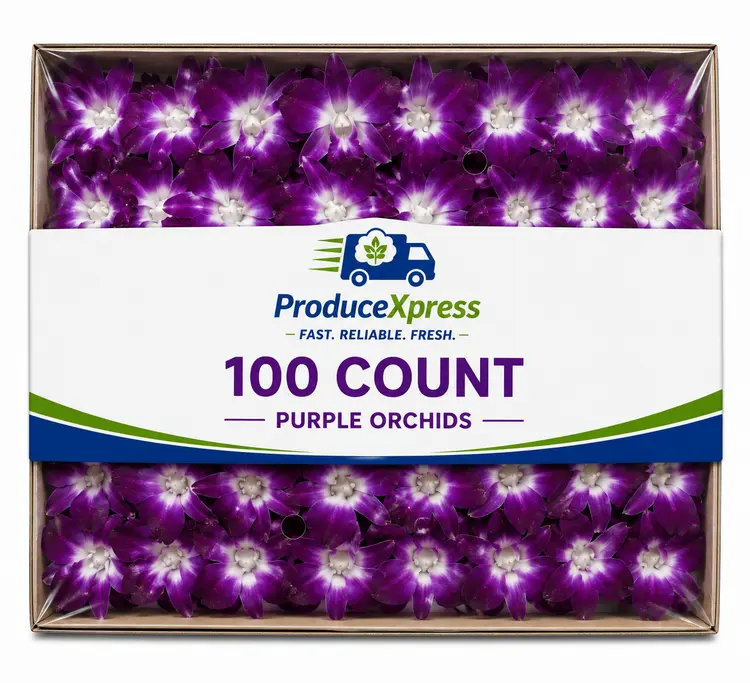 Edible flowers can make a plate memorable, but restaurant buyers should treat them as food first and decoration second. That means choosing flowers sold for culinary use, matching the format to the menu and planning careful receiving and storage.
This guide covers the practical questions a chef or buyer should answer before ordering squash blossoms or purple orchids for service.
Are all flowers edible?
No. A flower should only be served when its identity is known and it was grown and sold for food use. Colorado State University Extension advises against eating flowers from florists, nurseries or garden centers because they may not have been grown for consumption and may have been treated with chemicals that are not appropriate for edible crops.
Do not assume that a familiar-looking flower is safe. Proper identification, supplier information and your operation's food-safety process should come before presentation.
Which edible flowers does ProduceXpress offer?
ProduceXpress currently lists two types of food-use flowers in its Edible Flowers category:
- Squash blossoms: sold as a 25-count clamshell per case.
- Purple orchids: offered in 50-count and 100-count formats.
The right option depends on how the kitchen will use the flower. Squash blossoms can become an ingredient in the dish, while orchids are often selected as a visual finishing element. Confirm current pack details and availability in the live catalog before finalizing a menu.
How can a restaurant use squash blossoms?
Squash blossoms have a mild squash character and can be served raw when appropriate or cooked. Chefs may use them whole, stuff and cook them, fry them or cut them into a composed dish. University of Minnesota Extension notes that squash flowers are edible and should be harvested the day they open, which makes timing especially important.
Before ordering, decide whether each blossom will be a garnish or a primary component. A stuffed blossom requires a more exact piece count than petals or sliced blossoms used across several portions.
How can a restaurant use purple orchids?
Purple orchids can add a strong color accent to plated dishes, dessert presentations, beverage service or event trays. Because orchid species and supplier instructions can differ, do not make assumptions about flavor or preparation. Use the product as directed and keep the flower's role clear in the plating plan.
Choose the count that best matches expected covers:
For banquets or recurring service, make one approved sample plate first. Photograph it and specify exactly where the flower belongs so every station uses the same standard.
How should restaurants store edible flowers?
Handle edible flowers gently, keep them refrigerated and limit unnecessary movement. Colorado State University Extension recommends placing many types between damp paper towels in the refrigerator. It also notes that some flowers hold better when they are washed just before use rather than before storage.
A practical receiving and storage routine is:
- Confirm the flower type, count and package condition at receiving.
- Follow the supplier's temperature and label instructions.
- Refrigerate promptly in a protected area where heavier items cannot crush the flowers.
- Minimize opening and reclosing the package.
- Inspect the product before prep and remove damaged material.
- Prepare and place the flowers as close to service as the dish allows.
These are general handling principles. The package directions, local food code and your facility's food-safety plan take priority.
Should edible flowers be washed before serving?
Follow the product label and your kitchen's food-safety procedure. When washing is required, Colorado State University Extension recommends gently rinsing flowers under cool running water rather than using a forceful spray. Handle them carefully and allow surface moisture to drain before plating.
Some flower parts, including stems and reproductive structures, may be bitter even when the flower is edible. The amount of trimming varies by species and intended use, so identify the product correctly and follow the supplier's preparation guidance.
What safety checks should a restaurant make?
Before an edible flower reaches a guest, verify four things:
- Identity: The flower is the culinary product ordered from a food supplier.
- Use: Staff know whether it is intended to be eaten whole, trimmed or used in another way.
- Condition: The package and flowers are in acceptable condition at receiving and prep.
- Guest considerations: The operation follows its normal process for allergies and ingredient questions.
Colorado State University Extension also recommends limiting the amount when someone first eats a particular flower because individual allergic or digestive reactions are possible. Restaurants should handle guest questions according to their established allergen policy.
How many edible flowers should a restaurant order?
Start with expected covers and the number of flowers used per plate:
expected covers x flowers per plate = planned flower count
Then add a reasonable operational allowance for test plates, handling loss and demand variation. Compare the result with the 25-, 50- or 100-count formats currently available. This keeps the order tied to a real service plan instead of an arbitrary case quantity.
For a new menu item, run a small plating test before placing the main order. Confirm that the flower's size, color and handling needs fit the dish and the speed of service.
Where can restaurants order edible flowers?
Restaurants can view current squash blossom and purple orchid listings on the ProduceXpress edible flowers page. Each product page shows the current format, price and online ordering status.
Availability and product details can change, so use the live catalog when planning an event or menu launch.