
Microgreens for Restaurants: A Chef's Guide to Choosing and Storing Them
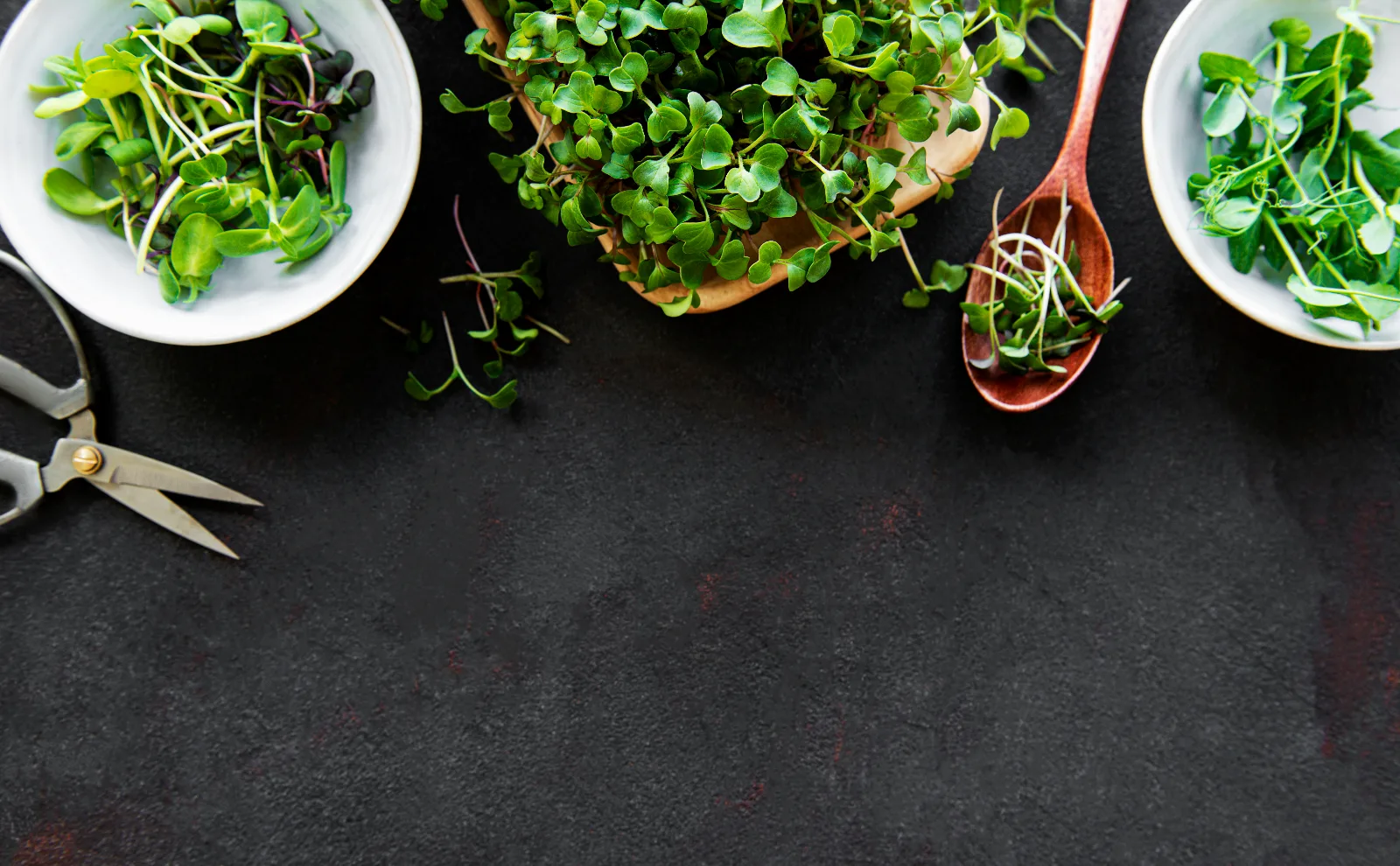 Restaurant buyers need microgreens that fit the menu, arrive in a useful pack size and hold their quality through service. The best choice is not simply the most colorful variety. It is the one whose flavor, texture and appearance match the dish.
This guide explains what microgreens are, how popular varieties differ and how to handle them in a professional kitchen.
What are microgreens?
Microgreens are young edible shoots harvested after their seed leaves have developed and, depending on the crop, as the first true leaves begin to appear. They are cut above the growing medium. Penn State Extension describes them as a distinct crop from both sprouts and baby greens.
For a restaurant, that early harvest stage means a small ingredient with concentrated visual character. Chefs commonly use microgreens to add color, texture and a finishing flavor to appetizers, salads, sandwiches, pizza, seafood and meat dishes.
How are microgreens different from sprouts?
The short answer is that microgreens are shoots cut above the growing medium, while sprouts are eaten as the whole young seedling, including the root and remaining seed material.
That distinction matters when ordering, receiving and writing kitchen procedures. Do not treat the terms as interchangeable. Follow the product label and your food-safety plan for the item that was actually delivered.
Which microgreens work for which menu?
Start with the dish and the result you want from the garnish. Then choose the variety.
Micro arugula
Arugula is a useful choice when a dish benefits from a peppery, pungent finish. Try it with eggs, roasted vegetables, pizza, sandwiches, seafood or beef. Because its flavor is noticeable, test the amount per plate before committing to a large menu rollout.
Micro basil
Micro basil works naturally with tomato, cheese, pasta and Mediterranean-inspired dishes. Its familiar basil character can make a new garnish easier for guests to understand.
Micro celery
Micro celery can add a fresh, savory note to seafood, soups, canapes and vegetable dishes. It is a good candidate when the kitchen wants a green finish without making peppery heat the main feature.
Micro mint
Micro mint can bridge sweet and savory applications. Consider it for fruit, chocolate, chilled desserts, beverages, lamb or dishes that need a clean aromatic finish.
Chef's mix
A mix can be practical when the goal is variety in shape, color and flavor without purchasing several separate packs. Check the current product listing when ordering because the exact presentation should match the plate you are planning.
How should restaurants store microgreens?
Keep microgreens refrigerated and protect them from temperature swings and excess moisture. Penn State's postharvest guidance notes that cold, dark storage at about 41 degrees Fahrenheit can support longer useful life than ambient conditions, and that condensation can shorten quality. Your package instructions, local food code and facility food-safety procedures always take priority.
For more consistent results:
- Move the product to refrigeration promptly after receiving it.
- Keep it in its original food container unless your operation has a validated alternative.
- Avoid crushing the leaves under heavier products.
- Watch for condensation and remove visibly damaged material.
- Rotate inventory by the received and use-by dates.
- Portion as close to service as practical.
Should microgreens be washed before storage?
Usually, washing immediately before use is better than washing before storage, unless the label or your food-safety procedure says otherwise. Penn State Extension's microgreens research reports that washing before storage can reduce postharvest life. Its consumer guidance recommends washing before eating.
In a restaurant, first determine whether the product is labeled ready to eat and follow the supplier's instructions. When washing is required, use potable water, minimize handling and dry the product gently before plating. Never replace your local health requirements or HACCP-based procedures with general internet advice.
How much should a restaurant order?
Calculate demand from the menu, not from guesswork. A simple test is more reliable than a universal portion rule:
- Plate the dish at the standard you want guests to receive.
- Weigh the microgreens used per plate.
- Multiply that amount by expected covers.
- Add a modest allowance for trimming, testing and demand variation.
- Compare the result with the available pack size and delivery schedule.
This method helps prevent both mid-service shortages and delicate inventory sitting too long in the cooler.
What should a buyer check when microgreens arrive?
Check the product while receiving, before it enters inventory:
- Is the variety and pack size the one ordered?
- Are the leaves visually sound and appropriate for the intended dish?
- Is the container intact and free of excess condensation?
- Is the product cold and within the supplier's labeled date guidance?
- Does the quantity cover the planned menu usage?
Record problems promptly so the kitchen and supplier can resolve them before service.
Where can restaurants order microgreens?
ProduceXpress currently offers micro arugula, micro basil, micro celery, micro mint and a Chef's Mix for online ordering. Browse the current selection, pack information and availability on the ProduceXpress microgreens page.
Product availability can change. Check the live catalog when planning your order.