
Fresh Herbs for Restaurants: Buying and Storage Guide
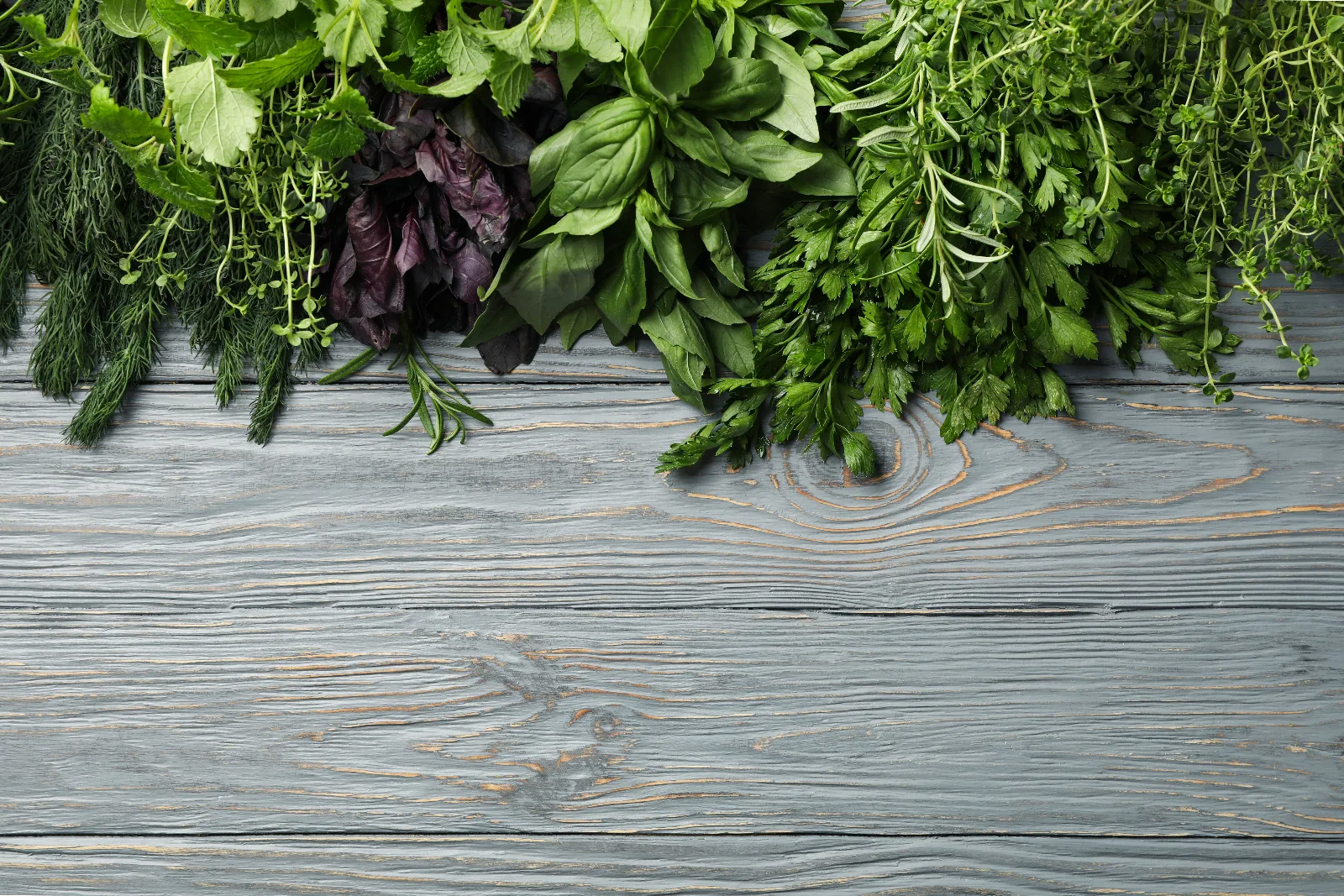
How should restaurants buy fresh herbs?
Buy fresh herbs by the recipe, the selling unit and the amount your kitchen can use before quality declines. A pound of parsley, a box of cilantro bunches and a small bag of chives serve different prep needs. Match the order to a measured batch or plating standard before choosing the pack.
ProduceXpress lists bagged herbs and bunched herb boxes for restaurant and foodservice buyers. This guide explains how to compare those formats, receive an order and organize storage around the herb you actually purchased.
Which fresh herbs does ProduceXpress sell?
The current catalog includes basil, Thai basil, chives, culantro, dill, mint, oregano, parsley, rosemary, sage and thyme, with cilantro and parsley also listed in bunched boxes.
Use the product page to confirm the format your recipe needs:
| Kitchen requirement | Current product examples | Check before ordering |
|---|---|---|
| Herbs for recurring batches | Basil, mint, parsley, rosemary, thyme | These listings describe 1 lb bags; calculate demand in weight |
| Smaller bagged quantities | Chives, dill, oregano | These listings describe 4 oz bags; compare the pack with actual prep use |
| A recipe specifying a particular herb | Thai basil, culantro | Both are listed in 1 lb bags; preserve the exact herb name on the order |
| Bunched herbs for volume prep | Cilantro, parsley bunched box | Both are listed as 60-count boxes; a bunch count does not establish net weight |
Pack information was checked September 8, 2026. Check the live listings for current availability and details before ordering.
Should you order herbs by the pound or by the bunch?
Use weight when your recipe specifies weight, and measure a representative bunch before converting a bunch-based order into recipe quantities.
A bunched box can fit a kitchen that already portions and preps by bunch. Bagged herbs can simplify a recipe written in ounces or pounds. Neither format guarantees the same usable yield: stems, trimming and the presentation standard affect what reaches the plate.
For example, parsley chopped into a sauce may have a different preparation standard from parsley leaves picked for a garnish. Record the usable amount from a sample pack for each job instead of assigning one yield to every recipe.
Keep those measurements in the recipe sheet so a change of cook does not change the order quantity.
How do you calculate a restaurant's herb order?
Calculate the usable amount needed, adjust for your measured preparation yield, subtract usable stock on hand, then round up to the available pack size.
For a batch recipe:
planned batches × usable herb weight per batch = usable herb requirement
As an illustrative example, six batches requiring 2 oz of picked herbs each need 12 oz of usable herbs. If your own prep test yields 12 oz of usable material from a 1 lb bag, one bag covers those six batches before any demand allowance. That yield is an example, not a promise about a ProduceXpress product.
Use the same method for garnishes by multiplying expected plates by the measured amount per plate. Add an allowance based on your actual demand variation and waste records, then confirm the next available fulfillment date. Buying extra because the case looks economical can be expensive if the kitchen cannot use it.
What should staff check when fresh herbs arrive?
Check the exact product, pack, condition and supplier handling instructions before accepting it into kitchen inventory.
UC Davis's fresh culinary herb guidance identifies freshness, color, freedom from damage and characteristic aroma as quality indicators. It also notes that an herb can remain visually marketable after its useful culinary aroma has declined.
At receiving, staff should:
- Match the label and pack size to the purchase order.
- Check for crushed leaves, yellowing, decay, wilting or damaged packaging.
- Record the received date and any supplier date information.
- Follow the product's temperature requirements and the kitchen's receiving procedure.
- Report discrepancies promptly with the product label and a clear description.
Appearance and aroma help assess quality; they do not establish microbiological safety. Use your approved supplier and food-safety procedures as well.
Should every fresh herb go into the same refrigerator?
No. Most culinary herbs benefit from cold storage, but basil needs separate attention because it is sensitive to chilling.
UC Davis's commercial postharvest guidance identifies basil as an exception to the near-freezing storage used for many other fresh herbs. Do not apply a single storage rule to every bag. Confirm a suitable whole-herb storage procedure with your supplier and food-safety lead, especially if basil arrives in a mixed order.
Protect containers from crushing, label opened packs and use the oldest acceptable stock first. The storage procedure for intact herbs is not automatically the holding procedure for chopped herbs, sauces or other prepared food. Follow your kitchen's requirements for each finished preparation.
Should you wash herbs before storing them?
For herbs that require washing, wash near preparation time instead of routinely wetting the entire delivery before storage. University of Minnesota Extension recommends waiting until preparation when produce is not visibly dirty, rinsing delicate herbs with cool running water and avoiding prolonged soaking.
Check the label first: products identified as washed or ready to eat do not need the same washing step. When washing is required, use clean equipment and potable water, then drain and dry gently. Keep produce preparation separate from raw meat, poultry and seafood. Follow your facility's procedure rather than improvising a soap or detergent wash.
Where can restaurants order herbs and finishing garnishes?
Start with the linked ProduceXpress herb listings to check current pack details and online ordering options. Confirm the product and quantity against your prep sheet before placing the order.
If the dish needs a smaller finishing leaf or a flower, those are separate purchases with their own handling needs. Read our microgreens guide for restaurants and edible flowers buying guide when planning the full plate.
Product details and linked sources checked September 8, 2026. Availability can change; use current product labels and your kitchen's food-safety procedures for handling decisions.